


Are You Eligible for Social Security Disability Benefits in Aurora?
Everyone from pipefitters to doctors calls Aurora home. People come here from around the country and the world to find affordability, opportunity and access to Chicago.
With its blue-collar roots and family atmosphere, Aurora celebrates its history, hard work and community. There’s pride in the can-do spirit. But it’s hard for folks when their health takes a bad turn.
If you live in Aurora and suffer from a debilitating illness that prevents you from working, you’re frustrated and worried about the future.
Social Security Disability benefits exist to take the sting out of losing your job to a health impairment. The monthly checks help stabilize your finances and bring some peace of mind in a challenging time.
But securing those benefits isn’t as simple as parking on Galena Boulevard. Before you even fill out a form, you have to study whether you’re eligible for benefits in the first place.
Social Security runs two programs that help Aurora residents up against severe health problems:
- Social Security Disability Insurance (SSDI) is available to people who have worked long enough, and paid enough recent Social Security taxes, to be covered.
- Supplemental Security Income (SSI) is for people with few financial resources and open to those with little or no recent work history.
Both programs require you to demonstrate you cannot work a significant amount for a significant time. And both can provide life-changing financial relief.
The eligibility requirements for SSDI and SSI are complicated. You can cut through the confusion by talking to an experienced Aurora disability attorney.
At Nash Disability Law, we’ve been helping our neighbors in Aurora for 40 years. We know the city, we know the people, and we know how to get you the disability benefits you need.
Social Security is all we do in Aurora, across Kane, Kendall, DuPage and Will Counties, all of Chicagoland, and around the country. No fee until you win disability benefits.
WE’VE HELPED MORE PEOPLE IN THE CHICAGO AREA WIN BENEFITS THAN ANY OTHER LAW FIRM.
Do I Have a Good Case for Social Security Benefits? Tips from Aurora Disability Attorneys.
Proving you’re eligible for SSDI or SSI in Aurora takes considerable legwork.
It’s not just showing that you’re sick or impaired. Social Security defines a “disability” through the lens of a health problem that has kept or will keep you from working for at least a year.
Let’s break down the process of proving you’re eligible into three parts: your medical issues, your current ability to work and your financial history.
Your health comes first. Social Security has a list of medical conditions and specific criteria that qualify you for disability benefits. If your condition is on the list, you can use the information there for your claim.
Even if what ails you isn’t in the listing of impairments, you could still have a claim. Social Security has a process for evaluating all your symptoms and their collective impact on your everyday life and ability to sustain work, day in and day out.
Social Security will want to see that you have made all reasonable efforts to get better. That means you have records of continued visits to your doctors. You took the medications as prescribed. You didn’t miss any steps in your treatment plan.
Then they look at your ability to work. You need to focus on how your condition has limited your ability to function. Your claim should detail the ways your symptoms restrict your daily activities, making work impossible.
One key is a residual functional capacity (RFC) assessment from your doctor. This is a detailed account of your physical or mental limitations to basic skills that apply to most jobs and everyday life.
You also must meet work background and financial requirements.
It may go without saying that having a good-paying job will disqualify you from disability benefits. You can work a little and still collect disability benefits, but you can’t participate in what Social Security calls “substantial gainful activity,” which includes strict limits on how much you’re earning from work.
To qualify for SSDI, you’ll also have to show you paid enough into Social Security while you were working. Social Security tracks this as work credits. For every $1,890 you earned, you get a work credit. You can earn up to four a year. While there are exceptions, you generally need 40 total credits, or 10 years of recent work, to qualify.
For SSI, work history isn’t a factor, but you cannot qualify for benefits if you have more than $2,000 in resources as an individual or $3,000 as a couple. Countable resources include savings, investments or property other than your primary residence and one car. It’s a tough standard.
If you’re unsure about your eligibility for disability, give the Aurora disability lawyers at Nash Disability Law a call.
Our lawyers will help you collect, sort through and present your records at no up-front cost to you. You pay no fees until you win the benefits you need to live a more stable life.
Start with a FREE disability claim evaluation in Aurora.
How Can a Local Social Security Disability Lawyer in Aurora Help You?
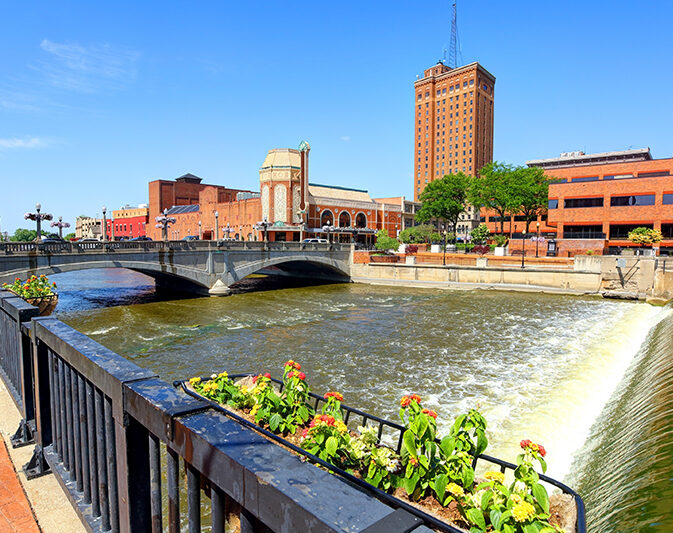
Aurora’s story is special—from the settlers who founded it on the banks of the Fox River in the 1830s to the innovators who made it one of the first cities in America with fully electrified public lighting in 1881, to the founders of the first free public school and the first YMCA in Illinois.
Now the second-largest city in the state, Aurora is home to makers of semiconductors and safety products, logistics specialists and transportation experts.
When you’re dealing with Social Security Disability in Aurora, don’t accept being treated like an anonymous person who could be anywhere.
You want a disability law firm that knows Aurora, its people and its rhythms. At Nash Disability Law, you’re a neighbor, not a number.
- From the Fox River to Madison Park to Pigeon Hill, we know the neighborhoods of Aurora.
- Whether you’re a welder, teacher, warehouse manager, logistics supervisor or any job in between, we understand jobs in Aurora, their demands and how health problems can derail Aurora workers.
- We’re familiar with the Aurora Social Security office at 1325 N. Lake Street, as well as the offices in Bloomingdale and Joliet.
- We have experience presenting cases before the judges who may hear your claim on appeal in Orland Park.
- Our familiarity with Rush Copley Medical Center, Mercy Medical Center and small clinics around town means we know how to navigate the local health care system to help you get the medical evidence you need for your claim.
From our offices in Palos Hills and Chicago, the Aurora disability attorneys at Nash Disability Law get to know you, understand what you’re up against, and work to help you gain the Social Security benefits you need to pursue a better life.
Aurora Social Security Disability FAQs
How do I tell if I have a strong SSDI case in Aurora, IL?
Most people are denied disability benefits. A strong disability case in Aurora or anywhere else comes from a combination of detailed medical records, work history information and a disability attorney whose local experience gives you your best possible chance in the local Social Security system.
How do I choose a disability lawyer in Aurora?
When you’re looking for a disability lawyer or law firm, look at their years of experience and number of disability cases they’ve handled before.
And ask some key questions: Do you focus on disability cases, or handle multiple areas of law? Will I be able to speak directly with my lawyer? Will my lawyer help me prepare for my disability hearing in advance?
Nash Disability Law has helped thousands of people over 40 years, only practices disability law, prioritizes personal attention for clients and values strong preparation.
Is Social Security Disability different in Aurora compared to other places?
The eligibility rules for disability benefits are the same nationwide. The types of benefits you can receive are the same. But the way the process works can vary from place to place.
Local and state officials manage the first steps of your process. The medical records you need will likely come from local health care providers. Approval rates for benefits are different from city to city and state to state.
A local, Aurora disability lawyer can provide you help that is the most tailored to your situation.