

Can I Get Social Security Disability Benefits for Sjogren’s Syndrome?
If you suffer Sjögren’s Syndrome, we know that we do not have to tell you that it can manifest itself with dozens of different symptoms, and all of them can dramatically impact your life every day. Sjögren’s Syndrome is a chronic autoimmune disorder, primarily affecting women aged 45–55, where the immune system attacks moisture-producing glands.
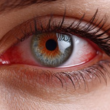
The American College of Rheumatology reports that “dry eyes and dry mouth are common symptoms of the disease. The eyes may turn red, burn or feel gritty like sand sensation. It may be hard to eat dry foods or swallow because of a lack of saliva. Glands of the neck or face may swell up. Other symptoms include dryness of skin, vagina, nasal passages, and throat; dry cough, changes in voice, heartburn; joint and muscle pains; fatigue; and rashes. Because of chronic dryness, patients may be at risk for eye infections or cornea damage, tooth decay or gum disease, and vaginal yeast infections.”
If you have Sjögren’s Syndrome and the symptoms of your condition prevent you from being able to hold onto a job, you may be eligible for financial assistance through one of the Social Security disability programs. Keep in mind that a specific diagnosis does not automatically qualify you for financial assistance. Eligibility for benefits depends upon whether the symptoms caused by Sjögren’s Syndrome inhibit your ability to work.
There are two disability programs: Social Security Disability Insurance, which is known as SSDI, and Supplemental Security Income, commonly referred to as SSI. SSDI pays benefits to you and certain members of your family if you are disabled, and you worked long enough and paid Social Security taxes recently enough. SSI, on the other hand, is based on financial need. The Social Security Administration (SSA) says, “It is designed to help aged, blind, and disabled people, who have little or no income.” The road to being awarded disability benefits is complicated and difficult to navigate. It requires meeting strict conditions.
To determine if you are medically eligible for disability benefits, Social Security has a set of procedures in place. These procedures are published in a handbook known as the “Blue Book,” and it includes a list of various disabling conditions known as “listings”. If your condition matches the criteria in the Blue Book, you may be awarded disability benefits through the Social Security Administration. Sjogren’s Syndrome is recognized as a qualifying disability by the Social Security Administration (SSA), generally evaluated under Section 14.10: Immune System Disorders in their Blue Book.
Listing 14.10 says that Social Security may award you disability benefits if you meet these criteria:
A. Involvement of two or more organs/body systems, with:
- One of the organs/body systems involved to at least a moderate level of severity; and
- At least two of the constitutional symptoms or signs (severe fatigue, fever, malaise, or involuntary weight loss).
OR
B. Repeated manifestations of Sjögren’s syndrome, with at least two of the constitutional symptoms or signs (severe fatigue, fever, malaise, or involuntary weight loss) and one of the following at the marked level:
- Limitation of activities of daily living.
- Limitation in maintaining social functioning.
- Limitation in completing tasks in a timely manner due to deficiencies in concentration, persistence, or pace.”
A key portion of this listing is that you must establish that your symptoms result in a marked level of limitation. This can mean that they interfere with your ability to function at work, or that you often miss work due to your symptoms or treatments, or that you have to take many breaks at work to manage your symptoms.
Unfortunately, as it is for most disabilities, few individuals meet the strict requirements for Sjogren’s Syndrome listed in the Blue Book. However, there is a second way to qualify: by demonstrating that the symptoms of your impairment prevent you from sustaining full-time competitive employment on a consistent and reliable basis. To prove that your disorder prevents you from maintaining full-time employment, you must start with a diagnosis through a doctor’s exam. But, as we said, a diagnosis alone is not enough to qualify you for benefits. Your doctor should also explain how your medical conditions limit your ability to work. This is usually done using a form called the “Residual Functional Capacity” (RFC) form. The RFC form is separate from the medical records and helps your doctor to explain your limitations. To decide whether you qualify for Social Security disability benefits, the Social Security Administration will consider the RFC form along with other evidence, such as medical tests.
Medical records and reports from relevant medical specialists can bolster your case. Evidence provided by a rheumatologist will strengthen your benefits claim. You will want to provide records of those doctor visits to SSA.
Sjogren’s Syndrome can occur alone or with other autoimmune diseases like rheumatoid arthritis, lupus, autoimmune thyroid disease, and many other conditions. If you have more than one medical condition, you should include the medical evidence for those conditions in your application for benefits. The Social Security Administration must take into consideration all of your impairments when deciding whether or not you qualify for disability benefits.
Because the condition’s impact can vary widely among individuals, qualifying for Social Security disability benefits based on Sjogren’s Syndrome can be challenging. That is why you need knowledgeable and experienced disability attorneys on your side. If you have a disabling injury or illness and your condition has made it impossible for you to hold a job, contact us at Nash Disability Law for a free evaluation of your situation. We know how to navigate through the complex SSA disability claims process and guide you on the best path forward. We only get paid when you win your case.